User:LizetteHitt8
Hello! My name is Klaus. I am delighted that I could unify to the entire globe. I live in United States, in the south region. I dream to visit the different countries, to obtain acquainted with intriguing individuals.
When using forklift aerial platforms, safety training is crucial to ensure the well-being of operators and personnel. Here are the key safety training requirements:
### 1. **Forklift Operation Training**
- **Certification**: Operators must be certified to operate forklifts, which involves understanding the specific controls, functions, and safety features of the equipment.
- **Hands-On Training**: Practical training on the operation of the forklift, including maneuvering, lifting, and lowering loads.
### 2. **Aerial Platform Safety Training**
- **Platform Familiarization**: Operators should receive training specific to the aerial platform attachment, including its weight limits, safety features, and proper usage.
- **Inspection Procedures**: Training on how to inspect the platform before use, checking for any damage or wear that could compromise safety.
### 3. **Hazard Awareness**
- **Identifying Risks**: Operators should be trained to identify potential hazards associated with working at heights, including fall risks, electrical hazards, and weather conditions.
- **Site Assessment**: Understanding how to assess the work environment for stability and safety before using the aerial platform.
### 4. **Safe Work Practices**
- **Proper Use of PPE**: Training on the importance of personal protective equipment (PPE), such as hard hats, safety harnesses, and non-slip footwear.
- **Correct Loading Techniques**: Instruction on how to safely load and unload materials while on the platform, ensuring that weight limits are not exceeded.
### 5. **Emergency Procedures**
- **Emergency Response Training**: Knowing what to do in case of an emergency, including falls, equipment failure, or other incidents. This may include training on how to use safety devices like harnesses.
- **First Aid Awareness**: Basic first aid training to handle injuries that may occur during operations.
### 6. **Communication Skills**
- **Effective Communication**: Training on how to communicate with ground personnel and other operators, especially when working in teams or congested areas.
- **Use of Signals**: Understanding standard hand signals or communication protocols for coordinating movements safely.
### 7. **Refresher Courses**
- **Ongoing Training**: Regular refresher courses to keep operators updated on safety practices, new regulations, and equipment improvements.
### Conclusion
Proper training is essential for the safe operation of forklift aerial platforms. By covering these key safety training requirements, organizations can help ensure that operators are well-prepared to handle the equipment safely and effectively, minimizing the risk of accidents and injuries.
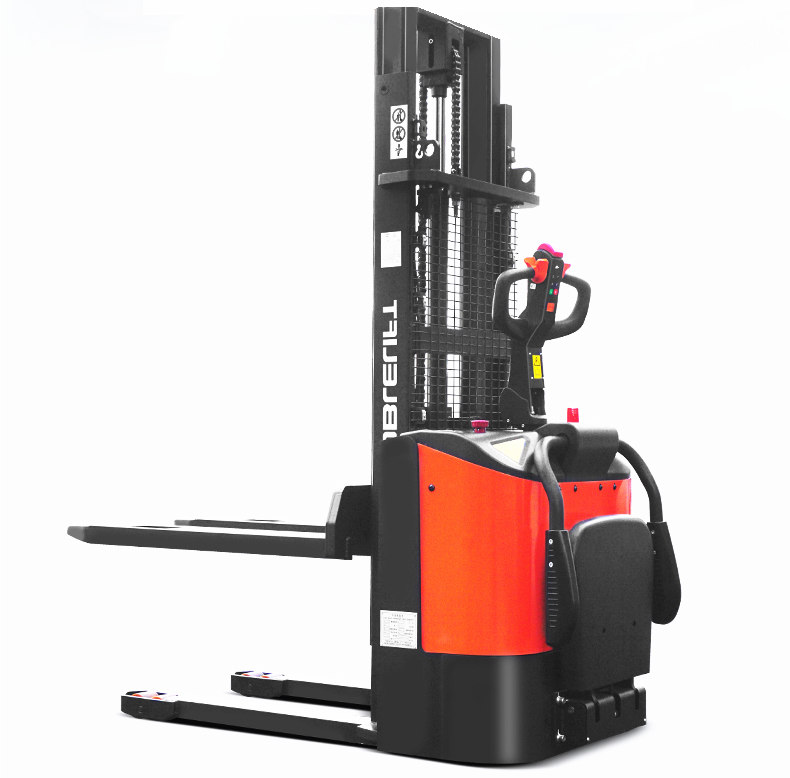
China Wholesale Materials Handling PSE15/20-C stacker truck electric forklifts Sale Buy Online Industrial Equipment | Forklifts trucks.com
Here is a comprehensive 2,500 word overview of forklifts:
Maintenance and Support
Reliable after-sales service, parts availability, and operator training from the dealer or manufacturer are crucial for keeping forklifts running safely and efficiently over their lifetime.
Financing Options
Many forklift dealers offer leasing programs or financing solutions to help organizations acquire the equipment they need without a large upfront capital outlay.
Navigating the forklift marketplace requires balancing operational requirements, budget constraints, and long-term cost of ownership. Consulting with experienced materials handling specialists can guide organizations in selecting the optimal forklift solution.
The Role of Forklifts in Modern Materials Handling
Forklifts have become an indispensable tool in the efficient movement and management of materials across a wide range of industries. From warehousing and logistics to manufacturing and construction, these versatile vehicles play a central role in supporting the flow of goods and inventory.
In the warehouse and distribution center environment, forklifts enable the rapid loading, unloading, and stocking of palletized goods. By allowing operators to lift and transport heavy loads with ease, forklifts drastically improve the productivity and throughput of these facilities. The ability to precisely maneuver and position inventory also helps maximize available storage space.
In manufacturing settings, forklifts are used to move raw materials, work-in-progress, and finished products between different areas of the production floor. This supports the smooth, uninterrupted flow of the manufacturing process. Forklifts can also be utilized to load and unload delivery trucks, facilitating the inbound and outbound movement of goods.
On construction sites, rough terrain forklifts play a vital role in materials handling, enabling the transport of building supplies, equipment, and other heavy loads to where they are needed. This is especially crucial on jobsites with limited access or challenging ground conditions that would make manual movement of materials difficult and inefficient.
Beyond their core function of lifting and transporting loads, forklifts also contribute to workplace safety. By eliminating the need for workers to manually move heavy or awkwardly shaped items, forklifts reduce the risk of musculoskeletal injuries that can result from manual materials handling. Forklifts also help maintain orderly, uncluttered work environments by efficiently positioning inventory and supplies.
As businesses continue to seek ways to streamline their operations and improve productivity, the role of forklifts in modern materials handling will only grow in importance. The ability of these versatile vehicles to enable the safe, efficient movement of goods is a key competitive advantage for organizations across diverse industries.
Conclusion
Forklifts are an indispensable piece of equipment in a wide range of industrial and commercial settings. These materials handling vehicles allow organizations to safely and efficiently transport heavy loads, optimize storage and inventory management, and support the smooth flow of goods and materials.
With a diverse array of forklift models, power sources, and specialized attachments available, businesses can select the equipment that best matches their unique operational requirements. Proper operator training, safety protocols, and maintenance practices are essential to ensuring forklifts are used in a responsible and risk-mitigating manner.
As the demands on modern supply chains and materials handling continue to evolve, the role of forklifts will only become more vital. By leveraging these versatile vehicles, organizations can enhance productivity, improve workplace safety, and gain a competitive edge in their respective markets.
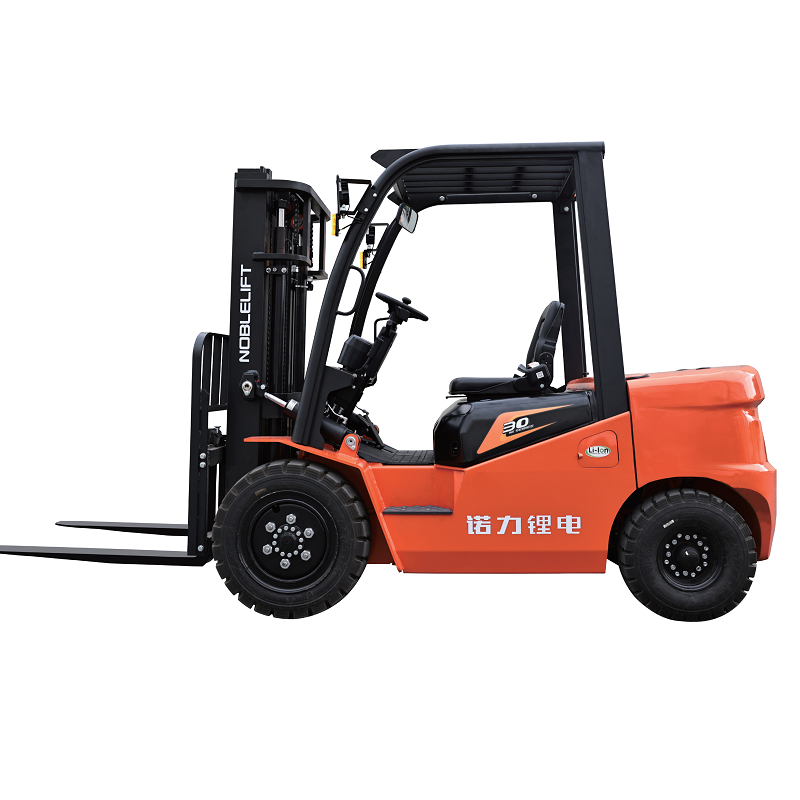
China Manufacturer Trade Materials Handling CPD lithium battery counterbalanced forklift Industrial Equipment | Forklift BUY | Forklifts trucks.com